What Does a Civil Construction Worker Do? Roads, Drainage, Pipes and the Certificate III
Civil construction crews build and maintain the infrastructure most people only notice when it fails: roads, drains, pipes, bridges and the ground they sit on. This guide explains what the work involves and how the Certificate III in Civil Construction relates to it.

What civil crews actually do
The national description of the Certificate III in Civil Construction covers skilled operators in civil construction, with specialist streams including bituminous surfacing, bridge construction and maintenance, pipe laying, road construction and maintenance, road marking, tunnel construction, timber bridges and traffic management, as well as general civil work.
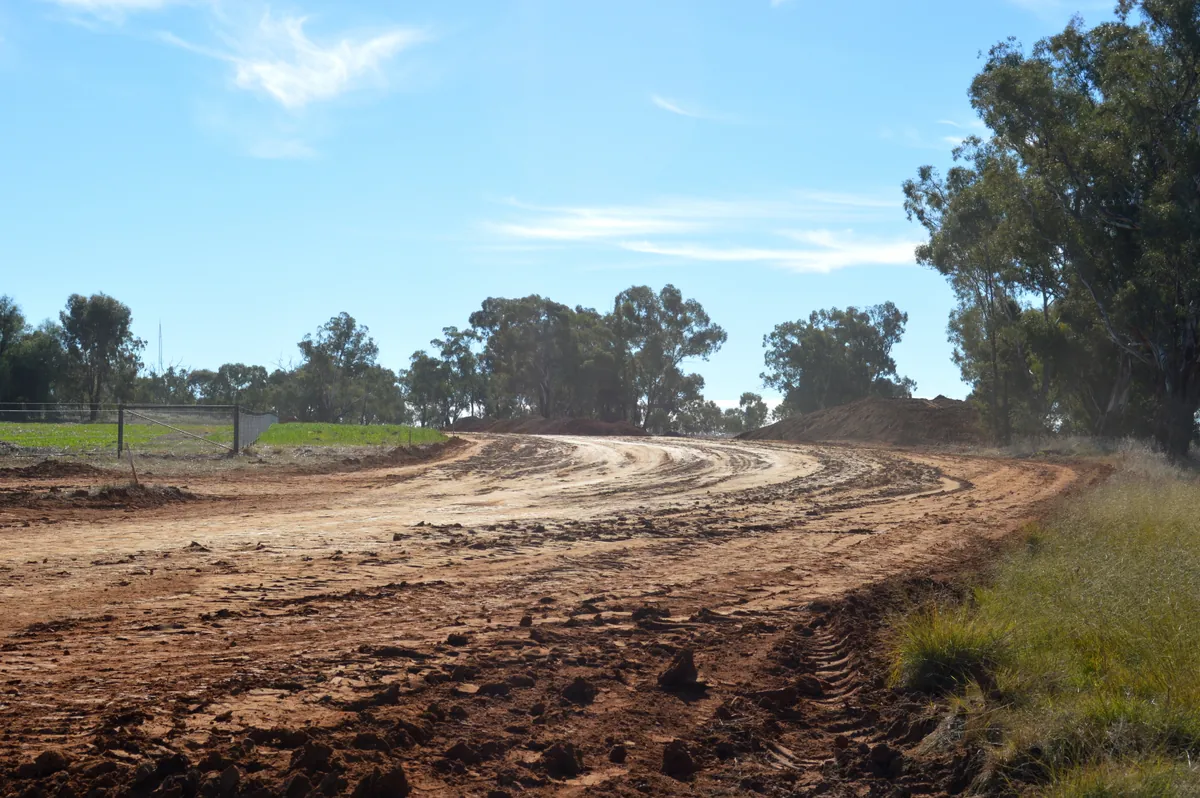
On a typical project that might mean preparing and compacting subgrade, laying and joining stormwater or sewer pipe, forming kerbs, placing road base, or setting up and running traffic control so the crew can work beside live traffic.
Plans, levels and specifications
Civil work runs to design levels, grades and specifications. Workers read construction drawings, check set-out from surveyors, and confirm that compaction, pipe grade and material requirements are met before the next layer covers them. Once a trench is backfilled, a mistake is expensive to find.
Locate services
Obtain information and confirm on site.
Set up the site
Traffic control, exclusion zones and access.
Excavate
With suitable support or battering.
Install
Pipe, drainage, base or structures to level.
Test and inspect
Compaction, grade and quality checks.
Reinstate
Backfill, restore surfaces and clear the site.
Illustrative stages only. Each project follows its own design, specification and safety plans.
The hazards that define the work
Civil sites combine mobile plant, trenches, underground and overhead services, traffic, dust, noise and heat. Before digging, crews obtain service information and confirm locations on site rather than trusting a drawing alone. Excavations need suitable support, battering or benching, and exclusion zones keep people clear of plant and suspended loads.
Working near traffic brings its own controls, normally set out in a traffic management plan. Some roles and tasks need separate tickets or licences, which depend on the state or territory and the road authority.
Teamwork and communication
A civil crew works as a unit: the operator, spotter, pipe layer and leading hand all depend on each other. Clear signals, pre-start briefings and reporting changed conditions, such as soft ground or unexpected services, keep the job safe and on program.
Where the qualification fits
Many civil workers have years of site experience without a formal qualification. OnShift describes its course as an experienced-worker pathway: an adviser reviews your experience, units are matched to the work your crew does, and assessment combines knowledge tasks with practical evidence from your actual work. A qualified assessor decides competency.
Licensing note from the national register
The RII30926 national register record states that no licensing, legislative or certification requirements apply to the qualification at publication. This does not remove separate state, territory, road-authority or task-specific requirements for performing work; check those with the relevant body.
Official sources
- RII30926 Certificate III in Civil Construction (training.gov.au) (opens in a new tab)
- Construction work health and safety (Safe Work Australia) (opens in a new tab)
- RTO 41304 scope of registration (training.gov.au) (opens in a new tab)
Qualification status, descriptions, licensing notes and RTO 41304's scope (which lists RII30926 as deliver and assess) were checked on training.gov.au on 29 October 2026. Scope shows approval to deliver, not that a particular intake is running.